What Is Peptide Pureness And Why Does It Matter In Research-grade Peptides? Qing Li Peptide
Peptide Lab Test Outcomes This is an essential standard for examining peptide vendor high quality, and is talked about better in our post on how to select a trusted study peptide vendor. Pinnacle Research laboratory is a specific distributor of high-purity chemical reagents and peptides. All items noted are strictly for in-vitro research laboratory research and development make use of just. Check out flagship study peptides with batch-specific COA documents and HPLC/MS verification. Products are for in-vitro laboratory research study use just and are except human consumption. The high quality and dependability of a peptide pureness measurement depend upon technique specifications and paperwork top quality. If you're making use of injectable peptides, endotoxin screening offers crucial safety and security information. This is specifically pertinent for injectable peptides where the management course bypasses regular safety barriers. Understanding peptide safety and security and risks includes comprehending that item quality directly affects safety results. Researchers often examine HPLC and mass spectrometry information.
What equipment is utilized to test peptide purity?
Peptide pureness is regularly figured out by HPLC (high performance fluid chromatography). This method allows separation and family member metrology of each peptide manufactured. If combined to a mass spectrometer (MS), this supplies molecular mass/ identification details of the target peptide and going along with impurities.
Substances
It separates the target peptide from peptide-related pollutants (deletion series, truncated pieces, and synthesis byproducts). Retention time is the elapsed time from injection to the minute a substance's height optimum is discovered. It is characteristic of a substance under details chromatographic problems (exact same column, very same gradient, same temperature level). Regular retention time throughout batches provides confidence that the same substance is being provided. If a supplier's lot-to-lot COAs show meaningfully different retention times for the exact same substance, this recommends either a change in substance or a change in chromatographic conditions-- both of which deserve examination.
Numerous COAs likewise specify known or "specified impurities" versus undefined ones, each with their specific portions if above a specific limit.
Researchers commonly review identification testing to verify that the substance being evaluated matches the designated peptide.
The United States Pharmacopeia takes into consideration 98% the minimum appropriate requirement.
Armed with this knowledge, you can with confidence interpret tags like "95% pureness, research quality" and use those peptides to drive your experiments without confusion.
High-Performance Liquid Chromatography separates compounds within an example to assist determine and quantify individual parts.
A Certificate of Evaluation (COA) is the single crucial paper in the research peptide supply chain.
After successful testing, each production set is released a Certification of Evaluation (COA). This record is made openly available and linked directly to the equivalent product web page for full openness. We only collaborate with certified factories that adhere to GMP standards to remove flaws first. We perform formula security examinations to ensure that the item does not Trusted Peptide Vendor degrade throughout transport and keeps its buildings throughout its service life, no matter exterior conditions. Custom peptides from research via analysis and therapeutic process with documentation support. While many companies specialise in peptide synthesis, Cernum offers an elite level of paperwork that aligns with the needs of both independent biohackers and institutional scientists. It takes knowledge of formula and risks combined with creating particular logical methods for every resources, raw material impurity, etc to control the end product quality. Researchers after that Go here measure just how much of the overall signal comes from the main height. If 98% of the signal comes from the correct peptide, the product is identified "98% pure by HPLC." This is a conventional means of sharing peptide high quality throughout study and pharmaceutical sectors. The study worth of any peptide compound depends straight on what is actually in the vial. A substance specified to be 95% pure includes 5% of something else-- and in a research study setup, that "another thing" matters.
Sterility Testing:
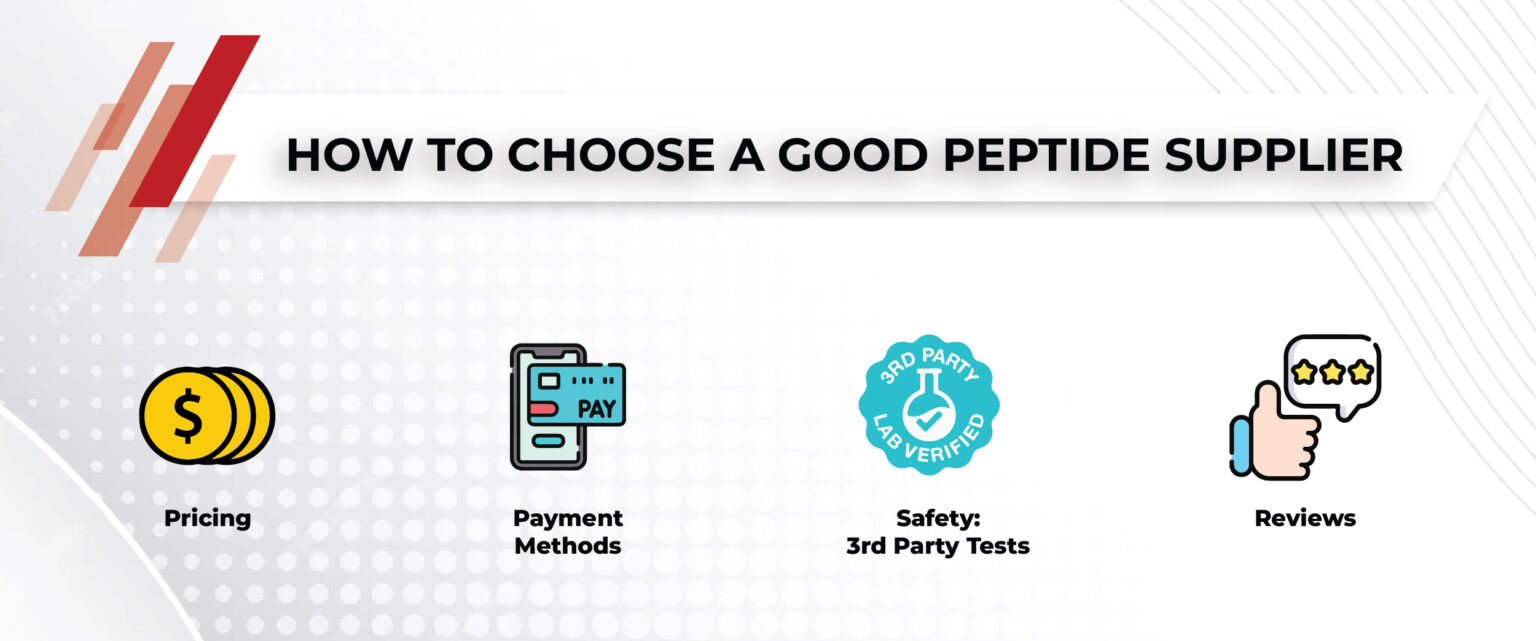
Explore our brochure to check out confirmed study compounds and discover more about our screening and quality control process. Supplier COAs come from the vendor, producing potential dispute of rate of interest. Third-party testing utilizes independent research laboratories without any monetary stake in the results. Third-party results are inherently a lot more credible due to the fact that the screening lab has no motivation to misstate searchings for. Independent verification confirms or contradicts supplier claims. For those complying with peptides for skin tightening up methods, validated products guarantee the protocol obtains fair analysis. Qing Li Peptide assurances this via rigorous manufacturing and QC. Straight from the synthesizer with very little handling-- generally just bosom from the material and precipitation. Pureness varies widely, from 40% to 80%+ depending on series length and problem. Top-tier laboratories frequently report peptide purity well above 95%, regularly ≥ 98-99%, by utilizing modern HPLC and MS evaluations. They likewise check both basic materials and completed peptide vials, which helps capture any type of contaminations, degradation products, or formulation inconsistencies. This level of extensive evaluation guarantees the peptide's accuracy-- meaning the series and purity are exactly as identified-- which is vital for speculative reproducibility. By confirming structure with numerous validated techniques, laboratory recognition assurances that researchers obtain a high-purity peptide that will carry out as anticipated in the laboratory. Trusted laboratories utilize tried and tested testing methods to analyze peptide examples and validate their pureness and chemical composition.