REC
Peptide Storage Space
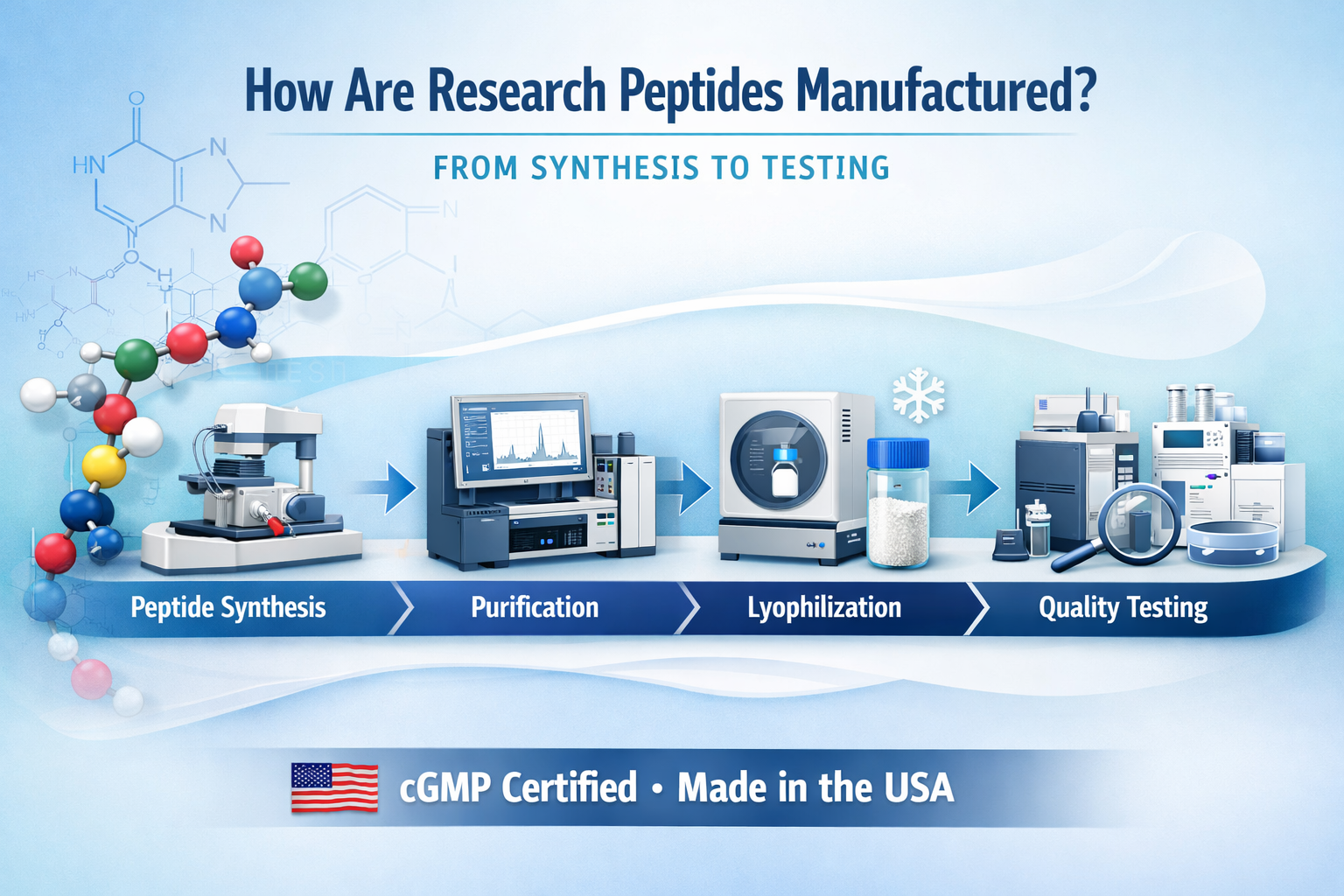
Storing Study Peptides In Research Laboratories After reconstitution, as a result of the lack of preservatives, services need to ideally be used within a short duration, normally within 24 to 72 hours under controlled problems, and stored at 2 to 8 ° C. Always examine your reconstituted peptide before each usage. A correctly saved solution needs to stay clear and colorless. When flying, load your peptides in a carry-on bag to stay clear of direct exposure to extreme temperature levels in checked luggage. Peptides are admitted both carry-on and checked bags once correctly evaluated. Use a shielded, freezer-safe luggage so you can refreeze ice packs during longer stopovers using airport freezers or nabbed ice. A a great deal of business that market custompeptides offer for sale do not make the peptides they offer, however are simplyresellers of product made elsewhere. It isrecommended to use suppliers that manufacture their own peptides, and that providedetailed specification and characterization data for their manufactured items. This page clarifies how storage space conditions, moisture, light, temperature, and handling techniques affect peptide stability in a research study context.
What negates peptides?
Salicylic acid''s exfoliating activity might undercut the peptides, decreasing their skin-repairing advantages. Recommendation: To stay clear of any type of interaction, usage salicylic acid and peptide products at different times. For instance, incorporate salicylic acid in your morning regimen and peptides in your night regimen.
Services & Items
Larger reconstitution quantities enhance dimension precision but likewise indicate drawing even more option per dose. Large volumes can exceed what syringes comfortably hold. At 100 systems per milliliter, 10 devices equals 0.1 mL, 25 devices equals 0.25 mL, and more.Number 3 Examination Of Peptide Concentration On Stability Of Signal Over Time
- The support likely originated from healthy protein biologics (like monoclonal antibodies), where aggressive agitation can cause aggregation and denaturation.
- Each aliquot consists of only what you need for one session or someday's research study.
- Yes, refrigerator-stored (2 ° C to 8 ° C) peptides have a service life that can range anywhere from months to a year, relying on the particular peptide.
- Yellowing indicates oxidation, typically impacting tryptophan or tyrosine residues.